Georgetown TX Water Quality Report Explained
Georgetown TX Plumber • Georgetown TX Educational Guide
Georgetown TX Water Quality Report Explained — What Every Homeowner Needs to Know
Updated August 2026 • (737) 738-8111
The most important number in Georgetown’s water quality report for homeowners: 440 mg/L (25.8 GPG) — total hardness. This single measurement explains why your water heater failed early, why your showerhead is clogged, and why your Georgetown plumber’s estimate is higher than you expected.
Where Georgetown’s Water Comes From
Georgetown’s municipal water supply comes from two sources: the Edwards Aquifer and the Lake Georgetown Reservoir. The Edwards Aquifer supplies the majority of Georgetown’s water and is responsible for its high mineral content — rainwater percolates through Cretaceous-era limestone for thousands of years before reaching the aquifer, dissolving calcium carbonate and magnesium in the process.
The City of Georgetown then adds chloramine (a combination of chlorine and ammonia) to disinfect the water, and adjusts pH for corrosion control. The water meets all EPA safety standards. But softening is not performed — the hardness level you receive is the natural hardness of the Edwards Aquifer.
Key Georgetown Water Quality Measurements (2024 Report)
440 mg/L
Total Hardness
25.8 GPG — nearly 4× the hard water threshold
7.5–8.2
pH Range
Slightly alkaline — accelerates some pipe corrosion types
Chloramine
Disinfectant
Reacts with standard anode rods — causes rotten egg smell
ND
Lead
Not detected — source water is lead-free
What the Report Doesn’t Tell You — But Should
The City of Georgetown’s Annual Water Quality Report fulfills EPA regulatory requirements — it tells you the water is safe to drink. What it doesn’t explain is the practical impact of these measurements on your home:
440 mg/L hardness means: your water heater will fail at 6–9 years instead of 10–12. Your showerhead will lose 50–75% of flow within 18 months. Your dishwasher and washing machine will work harder and wear faster. White scale will appear on every fixture and glass surface.
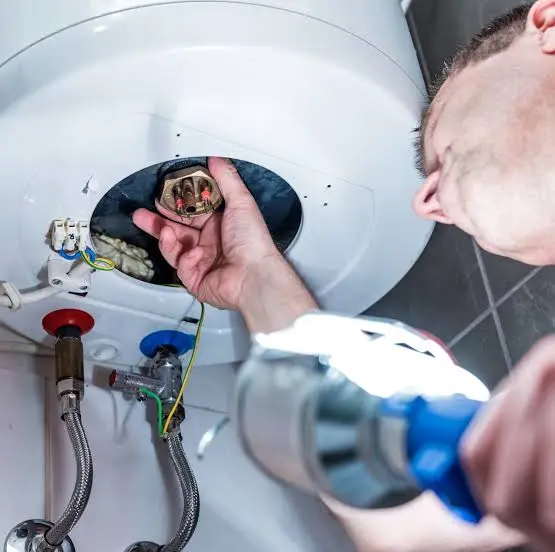
Chloramine means: if your water heater has a standard magnesium anode rod, Georgetown’s water chemistry will cause hydrogen sulfide production — the rotten egg smell many Georgetown homeowners report from hot water.
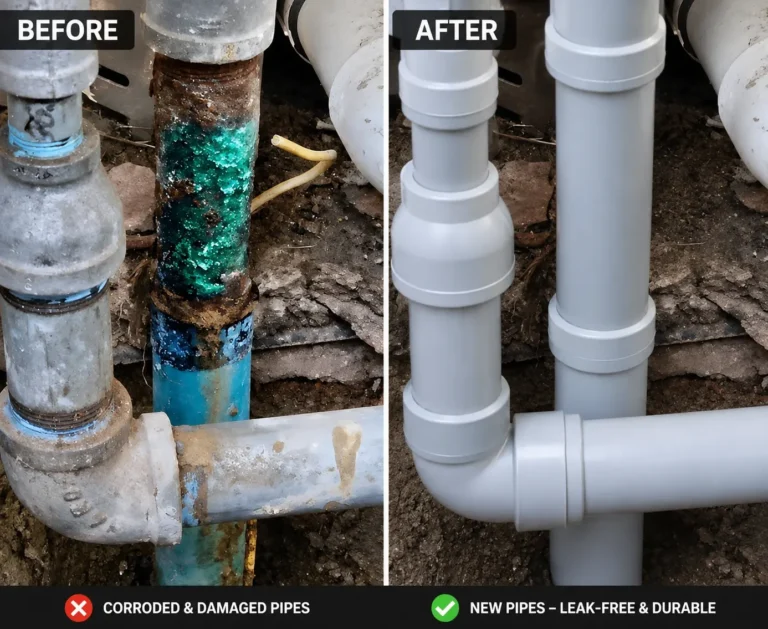
pH 7.5–8.2 means: slightly alkaline water, which can contribute to a specific type of copper pipe corrosion called “blue-green staining” — a greenish residue on fixtures indicating copper dissolution from supply pipes.
How to Get Georgetown’s Annual Water Quality Report
The City of Georgetown mails the Consumer Confidence Report (CCR) annually to all water account holders. It’s also available on the Georgetown Utilities website at Georgetown.org. The report covers all measured contaminants, violations (if any), and source water information. Look for “Total Hardness” in the secondary standards section — it will confirm the 440 mg/L figure.
Is Georgetown TX water safe to drink?
Yes. Georgetown’s water meets all EPA National Primary Drinking Water Standards for health-based contaminants. The water quality report consistently shows no violations for microbial, radiological, or chemical contaminants. Hard water is not a health concern — it’s a mechanical and aesthetic issue affecting appliances, fixtures, and taste preferences. The lead level is listed as “not detected.”
Will Georgetown’s water hardness improve?
No significant change is expected. Georgetown’s water hardness is a natural characteristic of the Edwards Aquifer limestone geology — it’s been at this level for the entire history of Georgetown’s municipal water supply. The City does not have plans to implement large-scale softening. Homeowners who want softened water will need to install a whole-house softener on their own supply line.
Need a Georgetown TX Plumber?
Same-day service, written flat-rate quote, 24/7 emergency response.
(737) 738-8111
RELATED PAGES
Emergency Plumber | Contact | Service Area | More Georgetown Plumbing Tips