Georgetown TX Plumbing Glossary | Terms Explained
Georgetown TX Plumber • Georgetown TX Educational Guide
Georgetown TX Plumbing Glossary — 20 Terms Every Homeowner Should Know
Updated August 2026 • (737) 738-8111
When a Georgetown plumber tells you about “backfall” or your “anode rod,” do you know what they mean? This glossary explains the 20 plumbing terms most commonly used in Georgetown TX — with the local context that makes them relevant to your home specifically.
Backfall (Negative Pitch)
When a sewer pipe’s slope reverses direction, causing waste to flow toward your home instead of the city sewer. Texas code requires ¼ inch of drop per linear foot. Georgetown’s expansive clay soil settles unevenly under slabs over decades, pulling pipe sections flat or reversing their slope. The result: chronic drain backups that no amount of snaking permanently fixes. Georgetown relevance: very high.
GPG (Grains Per Gallon)
The standard US measurement of water hardness. 1 grain per gallon = 17.1 mg/L. Soft water: 0–3.5 GPG. Hard water: 7+ GPG. Very hard water: 10.5+ GPG. Georgetown TX: 25.8 GPG from the Edwards Aquifer — nearly 4× the hard water threshold. Georgetown relevance: critical. This number explains most plumbing problems in Georgetown.
Anode Rod (Sacrificial Anode)
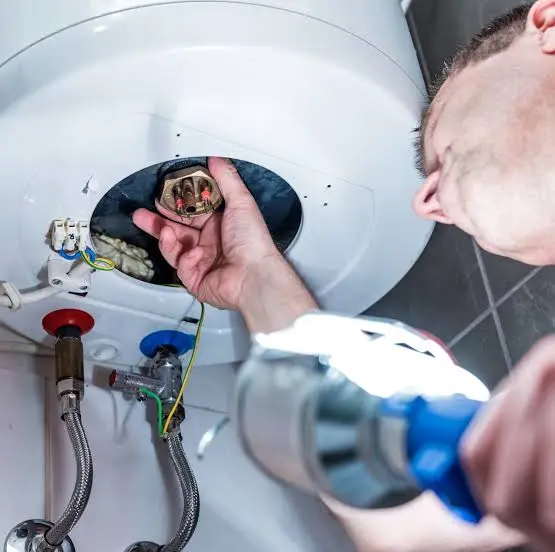
A metal rod inside your water heater tank that “sacrifices” itself to corrosion, protecting the tank walls. Standard rods are magnesium. In Georgetown’s hard water, magnesium rods react with sulfur bacteria to produce hydrogen sulfide (rotten egg smell) and calcify within 12–18 months. Georgetown solution: zinc-aluminum anode rods handle hard water better and don’t produce the smell.
Slab Leak
A water supply or drain pipe leak beneath the concrete slab foundation of your home. Georgetown has higher slab leak rates than most Texas cities due to two compounding factors: expansive clay soil stressing pipes from outside and 25.8 GPG hard water corroding copper pipes from inside simultaneously. Signs: warm floor spots, running water sounds, high water bills, mold smell.
Pressure Relief Valve (PRV / T&P Valve)
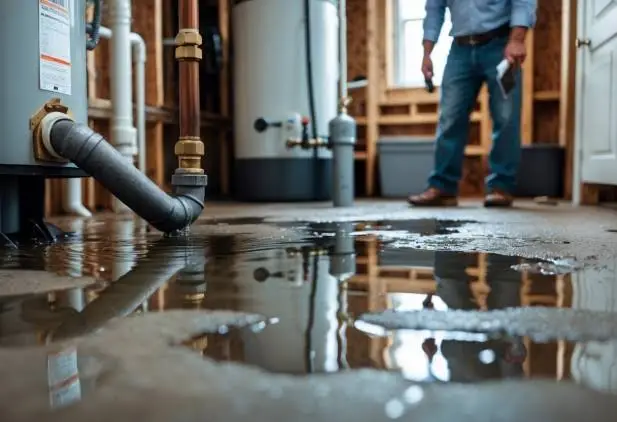
A safety valve on your water heater that opens if temperature or pressure exceeds safe limits. Required by code. If your T&P valve is dripping, it indicates excessive pressure in the system — a plumber needs to investigate. A failed T&P valve in a water heater is a serious safety hazard. City of Georgetown permits include inspection of T&P valve installation.
Hard Water Scale (Calcium Carbonate Deposits)
The white, chalky mineral deposits left by hard water as it heats or evaporates. In Georgetown, scale accumulates inside water heaters, on heating elements, inside showerheads and faucets, on glass shower doors, and inside dishwashers. A ¼-inch scale layer on a heating element increases energy consumption 40%.
PEX (Cross-Linked Polyethylene)
A flexible plastic water supply pipe used in most modern homes and as the preferred repipe material for Georgetown homes. PEX doesn’t corrode in hard water (unlike copper), is flexible enough to handle Georgetown’s freeze-thaw cycles, and costs less to install than copper. Available in red (hot), blue (cold), and white.
Polybutylene Pipe
Grey, blue, or black plastic pipe installed in many homes built from the 1970s through 1990s. Polybutylene degrades when exposed to chlorine in municipal water and becomes brittle and prone to sudden failure. If your Georgetown home was built before 1995 and has grey/blue plastic supply pipes, get them assessed. Replacement before failure is significantly cheaper than emergency repair after failure.
Cleanout
An access point in your sewer line — a capped pipe stub that allows a plumber to insert a camera or auger directly into the drain system. Georgetown homes typically have a cleanout near the foundation exterior or in the garage. Knowing where yours is before a drain emergency saves significant time and cost.
Edwards Aquifer
The underground limestone aquifer system that supplies Georgetown’s municipal water. The Cretaceous-era limestone formations leach calcium carbonate and magnesium into the water as it percolates through — creating Georgetown’s characteristic 25.8 GPG hardness. The Edwards Aquifer supplies water to millions of Central Texans and is one of the most productive aquifer systems in the US.
Flapper Valve
The rubber seal at the bottom of your toilet tank that controls water flow from tank to bowl during flushing. When it wears out (typically every 3–5 years), it creates a “running toilet” — water silently trickling from tank to bowl continuously. In Georgetown, a failed flapper wastes 150–200 gallons per day. This is one of the most common and most easily DIY-fixed plumbing problems.
Hydro-Jetting
High-pressure water blasting to clear grease, mineral scale, and light root intrusion from drain lines. More effective than snaking for accumulated buildup but does not fix backfall. In Georgetown’s hard water environment, mineral scale accumulates inside drain lines over time — hydro-jetting removes it completely. Cost: $300–$600.
Thermal Imaging (Infrared Detection)
Using an infrared camera to detect temperature differences on floor and wall surfaces — identifying slab leaks without any physical damage to your home. Hot water leaks show as warm areas; cold water leaks show as cool areas. Used in Georgetown for slab leak detection before any cutting or drilling begins.
Chloramine
Georgetown uses chloramine (chlorine + ammonia) rather than chlorine alone to disinfect drinking water. Chloramine is more stable in the distribution system and produces fewer disinfection byproducts. However, it reacts with standard magnesium anode rods in water heaters to create hydrogen sulfide — the rotten egg smell Georgetown homeowners report from hot water.
Whole-House Water Softener
A salt-based ion exchange system that removes calcium and magnesium from water before it enters your home’s plumbing. In Georgetown, the most impactful single investment for home plumbing protection — extends water heater life by 30–50%, eliminates scale buildup on all fixtures and appliances, and improves soap lathering. Requires periodic salt refills (every 4–8 weeks depending on household size).
Have a plumbing term your Georgetown TX plumber mentioned that’s not on this list? Call us — we explain everything in plain English before quoting anything.
(737) 738-8111Need a Georgetown TX Plumber?
Same-day service, written flat-rate quote, 24/7 emergency response.
(737) 738-8111
RELATED PAGES
Repiping | Water Heater Repair | Service Area | More Georgetown Plumbing Tips